Introduction
In a progressively interconnected world, academic certifications acquired in one country frequently need to be evaluated for their equivalence in another. This is particularly real for global students looking for to study or work abroad. The procedure of course-by-course evaluations serves as an important tool in this regard, helping to bridge educational gaps and help with international combination. By providing detailed assessments of scholastic qualifications, these evaluations make it possible for people to equate their certifications into formats acknowledged worldwide.
What is Academic Credential Evaluation?
Academic credential evaluation refers to the systematic process of examining and comparing educational certifications earned in one nation against those in another. The main objective is to determine the equivalency of degrees, diplomas, and certificates to ensure that people can pursue further education or employment opportunities without hindrance.
Importance of Academic Credential Evaluation
- Facilitates Recognition: Permits institutions and employers to understand the level of education attained by an individual. Promotes Mobility: Encourages student and professional movement throughout borders by guaranteeing stakeholders about the validity of foreign qualifications. Enhances Employability: Boosts job prospects for people whose qualifications are precisely examined and recognized.
Understanding International Credential Examination Services
International credential examination services play an important role in the assessment process. These specialized organizations assess foreign educational documents, guaranteeing they fulfill particular requirements stated by various nations or instructional institutions.
Types of International Credential Evaluations
Course-by-Course Assessment:- Provides in-depth analysis per course taken during a degree program. Essential for people seeking additional education or professional licensure.
- Offers a basic summary of qualifications without delving into course specifics. Suitable for a lot of work purposes.
- Assesses expert experience in lieu of formal education. Helps prospects who have significant work experience however do not have official degrees.
Course-by-Course Credential Examination: A Deep Dive
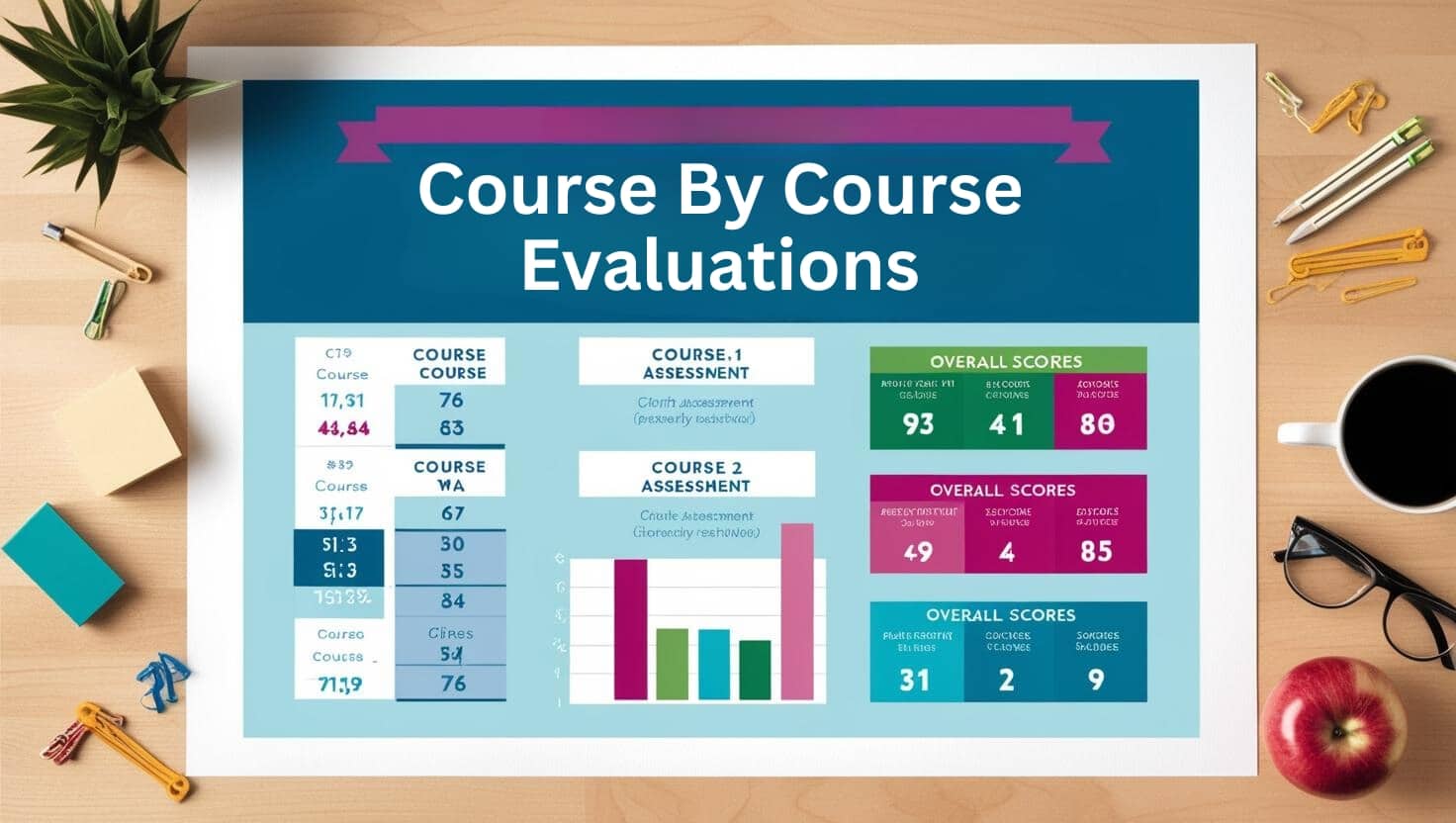
A course-by-course credential examination meticulously examines each course completed throughout a degree program. It equates the credits made into equivalent U.S. credits, making it simpler for American organizations to evaluate foreign certifications accurately.
Benefits of Course-by-Course Evaluations
- Detailed Insights: Deals thorough information about courses taken, grades achieved, and credit hours earned. Tailored Evaluations: Enables institutions to make informed decisions based upon specific academic backgrounds. Supports Further Education: Important for trainees planning to move or pursue advanced degrees.
How Does Course-by-Course Assessment Work?
The course-by-course examination procedure usually includes several crucial steps:
Document Submission:- Candidates should submit main transcripts and other appropriate documents.
- The examining firm verifies the credibility of the documents with releasing institutions.
- Courses are evaluated based upon content, period, and grading systems utilized in the initial institution.
- An official assessment report is produced detailing the findings and contrasts made.
Bridging Educational Gaps: How Course-by-Course Assessments Help With Global Integration
Course-by-course examinations act as bridges in between various instructional systems by offering clearness on what foreign credentials require. This not only aids trainees but likewise universities and companies in understanding diverse academic backgrounds.
Creating Opportunities through Transparency
With clear assessments readily available, potential students can with confidence request courses knowing their previous studies will be recognized properly. Employers can likewise assess prospects' educational histories without ambiguity, producing a structured hiring procedure that values variety while keeping standards.
Expert Opinion Letter: When is it Needed?
An expert viewpoint letter might sometimes accompany a scholastic credential evaluation report. This document supplies extra insight into specific problems that might develop relating to foreign credentials-- be it unusual grading systems or special curricula not easily equivalent to regional standards.
When Must One Look for a Specialist Opinion Letter?
- When applying for specific programs needing particular accreditation. If there are disparities between educational systems that require extra explanation. For job applications where specific qualifications are questioned by prospective employers.
Business Plan Evaluation in Higher Education Contexts
Business strategy evaluation might appear unrelated at first glance; nevertheless, it's important when thinking about education start-ups or brand-new programs within existing organizations going for global recognition.
Importance of Organization Strategy Evaluation
Ensures that proposed programs are viable and align with market needs. Involves assessing possible partnerships with international partners who may benefit from credential evaluations. Helps safe funding by showing comprehensive research into market needs and competitors analysis.Global Combination Through Standardized Evaluations
Standardization plays a critical role in improving international combination through scholastic credential assessments:
Methods Used:
Developing generally accepted frameworks for examining qualifications helps in reducing discrepancies among countries. Collaboration between countries can lead to mutual recognition agreements that improve processes across borders. Continuous updates based on altering educational landscapes make sure importance over time.FAQs
Q1: What is the typical time taken for a scholastic credential evaluation?
A1: Typically, the procedure takes anywhere from 7 days as much as a number of weeks depending upon the complexity and volume of requests gotten by the assessing organization.
Q2: Are all academic organizations needed to accept course-by-course evaluations?
A2: No, approval varies by organization; therefore it's essential to talk to particular universities concerning their policies on worldwide credential assessments before applying.
Q3: Can work experience be assessed similarly to official education?
A3: Yes! Work experience evaluations assess expert achievements and abilities obtained through work which can be advantageous when formal education isn't available.
Q4: Exists a distinction between document-by-document examination and course-by-course evaluation?
A4: Yes! Document-by-document evaluates total credentials while course-by-course offers in-depth analyses per individual course consisting of grades and credit hours earned.
Q5: How do I select a proper worldwide credential evaluation service?
A5: Search for firms recognized by recognized organizations such as NACES (National Association of Credential Examination Solutions) or AICE (Association of International Credential Evaluators).
Q6: What need to I do if my qualifications were denied recognition?
A6: Review your evaluation report carefully; you might appeal or look for a professional opinion letter if disparities take place due to grading systems or curriculum differences.
Conclusion
Navigating through different instructional landscapes can be daunting; however, with the aid of course-by-course assessments, people can expect clearer paths toward accomplishing their personal goals-- whether that's participating in a university abroad or protecting a fulfilling task opportunity internationally. As we continue promoting international integration through standardized https://jaidenpegv235.mystrikingly.com/ academic practices like these evaluations along with required assistance structures such as skilled viewpoint letters or company plan assessments-- the future looks promisingly accessible!
By embracing these tools efficiently, we're not simply bridging spaces-- we're developing pathways toward understanding that transcend borders while honoring varied knowing experiences rooted deeply within various cultures around our world today!